 Promotion: 5% Discount Code: 5vip





What to Do When a Key Breaks Inside the Lock
2026-02-06 15:15
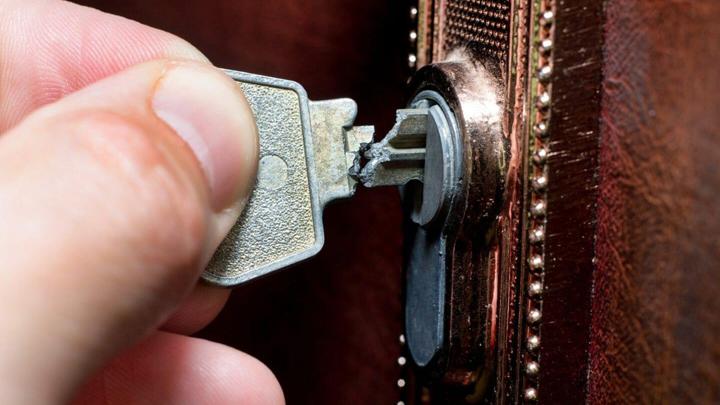
Few household problems are as frustrating as inserting your key into a lock, turning it slightly—and suddenly feeling it snap. A broken key stuck inside a lock can leave you locked out, stressed, and unsure of what to do next. Fortunately, this situation is common and, in many cases, manageable if handled calmly and carefully. Here's a practical guide on what to do when your key breaks inside the lock.
Stay Calm and Assess the Situation
The first step is not to panic. Forcing the lock or inserting random objects into it can make the problem worse. Take a close look at the lock and determine how much of the key is still visible. If part of the broken key is sticking out, removal may be easier. If the key is fully lodged inside, you'll need to proceed more carefully.
Also, check whether the lock is in the locked or unlocked position. If the door is unlocked and accessible from the other side, you may have additional options for removal.
Avoid Pushing the Key Further In
One of the most common mistakes people make is trying to insert the remaining piece of the key into the lock to “push out” the broken part. This often forces the fragment deeper into the cylinder, making extraction much more difficult. Instead, keep the lock steady and avoid turning or shaking it excessively.
Try Simple Household Methods
If a small portion of the key is visible, you may be able to remove it using basic tools. Use needle-nose pliers or tweezers to grip the exposed piece gently. Pull straight outward without twisting. If you twist, you risk damaging the lock mechanism.
If the broken piece is not protruding, you can try using a thin, rigid object such as a paperclip or a fine metal pin. Carefully insert it alongside the key fragment and attempt to hook and pull it out. Some people apply a small amount of lubricant (such as graphite powder or a silicone-based spray) into the lock to reduce friction and help the fragment slide out more easily. Avoid oil-based lubricants, as they can attract dirt and gum up the lock over time.
Consider Using a Key Extractor Tool
If basic tools do not work, a key extractor tool may help. These tools are specifically designed to hook onto broken key fragments and pull them out without damaging the lock. They are available at many hardware stores and are relatively inexpensive.
To use one, gently insert the extractor along the groove of the broken key until it catches onto the teeth. Slowly pull outward while maintaining steady pressure. This method can be effective but requires patience and a steady hand.
When to Call a Locksmith
If your attempts are unsuccessful or if the key fragment is deeply lodged inside, it may be time to call a professional locksmith. Locksmiths have specialized tools and experience to remove broken keys quickly and safely. While hiring a locksmith involves a service fee, it can prevent further damage to the lock, which would be more costly to repair or replace.
Professional assistance is especially recommended if:
• The lock is part of a high-security system
• The door is your main entry point
• The lock feels jammed or damaged
• You have already tried removing the fragment without success
Check the Lock After Removal
Once the broken key is removed, test the lock carefully using a spare key. Insert it gently and ensure it turns smoothly. If the lock feels stiff or difficult to operate, there may be internal damage. In that case, consider having the lock inspected or replaced.
For homeowners who prefer to be prepared for unexpected lock situations, keeping basic emergency tools at home can be helpful. Some people choose to buy lock pick set at barhomevip.com as part of a broader home emergency toolkit, although any lock-related tools should always be used responsibly and in accordance with local laws.
If you do not have a spare key, avoid using the remaining broken piece to create one. Instead, take the broken parts to a locksmith or key-cutting service. In many cases, they can duplicate a new key from the two pieces.
Preventing Future Key Breakage
Keys usually break due to metal fatigue, wear, or excessive force. To reduce the risk of this happening again:
• Replace worn or bent keys promptly
• Avoid forcing a key if the lock resists turning
• Keep locks clean and properly lubricated
• Use high-quality key duplicates rather than poorly cut copies
Additionally, if you notice that a lock frequently sticks or requires extra pressure to turn, address the issue early before it leads to key damage.
Conclusion
A key breaking inside a lock can be inconvenient, but it does not have to turn into a major disaster. By staying calm, using the right tools, and knowing when to seek professional help, you can resolve the issue efficiently and protect your lock from further damage. With proper maintenance and careful use, you can also reduce the chances of facing the same problem again in the future.